ProDentim vs ProvaDent: Which Oral Probiotic Actually Leads in Gum Health?
Comparing the specific strains, clinical research, and real-world results of the two most popular dental supplements in 2026.
While both claim to revolutionize oral health, their formulas differ significantly in strain specificity and periodontal effectiveness.
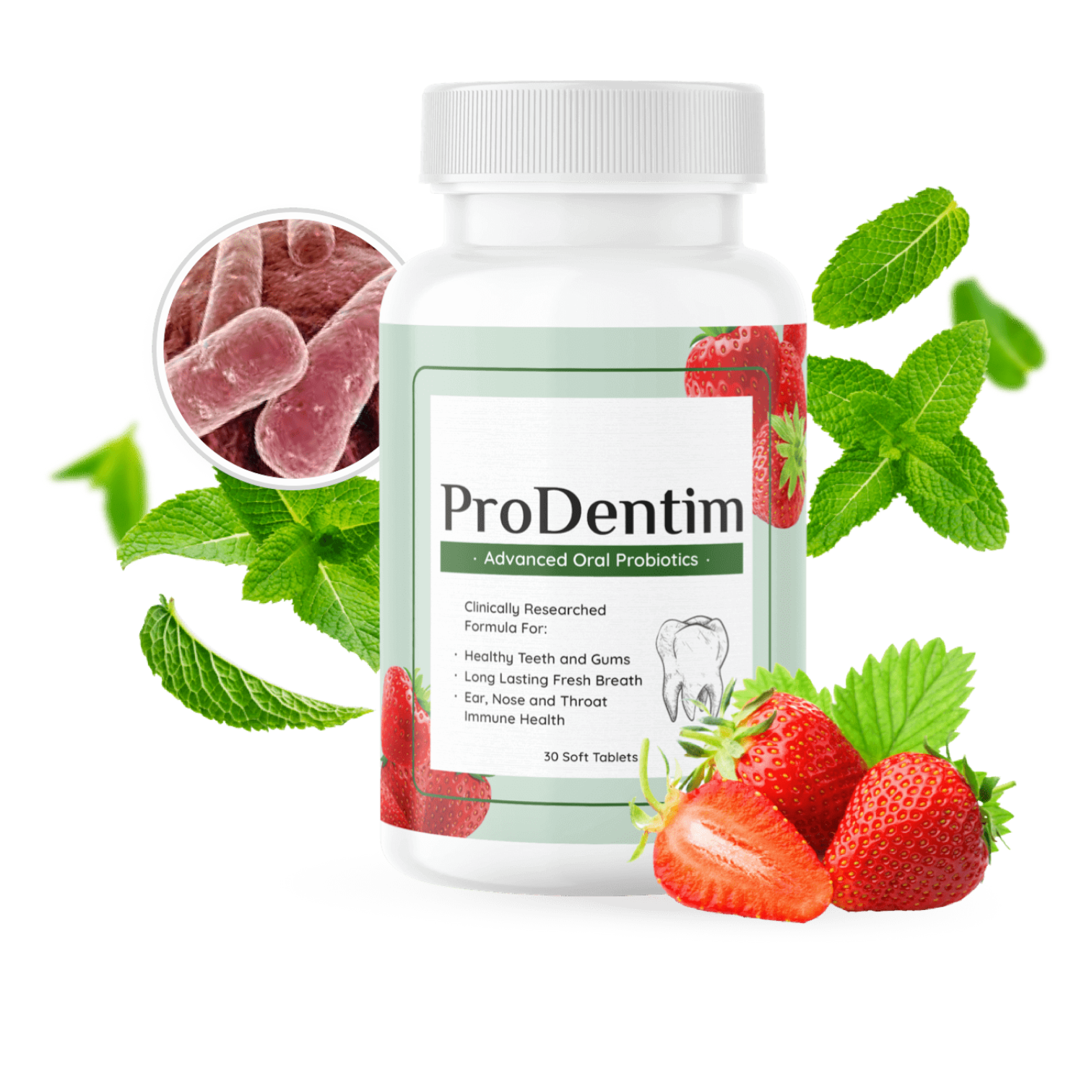
ProDentim
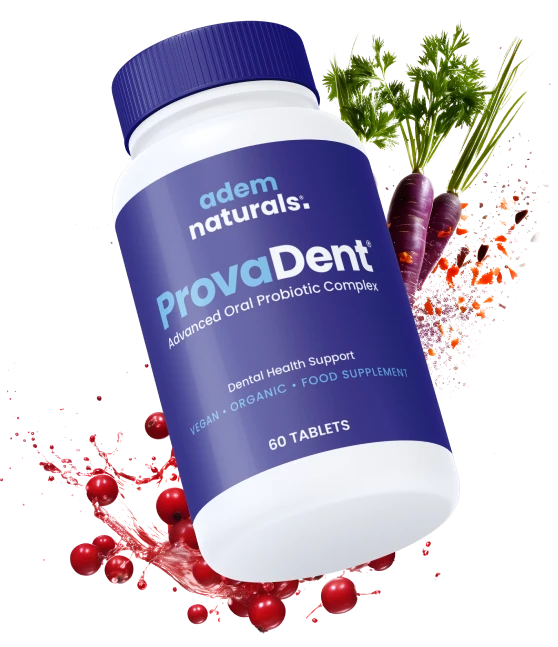
ProvaDent
What “Gum Health” Typically Refers To
In a clinical context, gum health concerns are commonly associated with microbial imbalance along the gingival margin and inflammatory response linked to biofilm accumulation.
- Bleeding during brushing or flossing
- Localized gingival inflammation
- Increased biofilm near the gum line
- Early periodontal tissue stress
- Shift in subgingival microbial balance
Because these patterns relate to microbiota composition, strain specificity becomes more relevant than total CFU count when comparing probiotics for gum-focused support.
Why Strain Selection Matters in Gum-Focused Probiotics
Not all probiotic strains interact with oral tissues in the same way.
While many formulas emphasize total CFU count, clinical discussions often focus on strain-specific activity instead of quantity alone.
In published clinical studies examining periodontal parameters, certain strains have been investigated for their influence on:
- Bleeding scores
- Inflammatory markers
- Microbial balance at the gingival margin
Among these, Lactobacillus reuteri is one of the strains most frequently referenced in gum-focused probiotic research.
Its inclusion becomes a relevant differentiator when comparing probiotics specifically for gum health.
In a strain-focused evaluation, formula composition becomes more important than total bacterial quantity.
Based on periodontal strain relevance, one formula demonstrates clearer alignment with gum-specific criteria.
Strain-Specific Comparison Based on Gum-Focused Criteria
ProDentim
- Includes Lactobacillus reuteri
- Includes Streptococcus salivarius
- 3.5 Billion CFU per serving
- Formulated for oral microbiome balance
Most closely aligned with strain-specific periodontal research criteria.
Visit Official WebsiteProvaDent
- 7 Billion CFU per serving
- Includes prebiotic fibers
- Botanical components
- No Lactobacillus reuteri listed in formula
Technical Decision Overview
*Pricing may vary depending on selected package and availability.
Why Lactobacillus reuteri Matters in Gum Research
Biofilm & Gum Interaction
Lactobacillus reuteri has been examined in relation to oral biofilm dynamics and microbial balance at the gingival margin.
Clinical Study Context
Published studies have explored its potential influence on bleeding scores and localized inflammatory markers in mild to moderate periodontal conditions.
Why It Affects This Comparison
In a strain-specific evaluation framework, its presence becomes a meaningful differentiator when comparing probiotics for gum-focused support.
When Strain-Specific Gum Support Is the Priority
In strain-focused periodontal comparisons, Lactobacillus reuteri is consistently referenced in relation to gum inflammation and bleeding parameters.
Among the evaluated formulas, only one includes this strain — positioning it as the most logically aligned option for gum-specific criteria.
Availability and pricing may vary. Always consult a dental professional for individualized guidance.